


Circutor | 24 November 2026
The evolution of electrical installations and the growing incorporation of power electronics equipment have made potential current leakage increasingly diverse. Therefore, selecting the right type of residual current device is essential to ensure effective protection tailored to the characteristics of each load.

In industrial environments, Type A residual current devices are among the most widely used. They provide protection against AC and pulsating DC leakage currents, commonly found in equipment such as air conditioning systems, lighting or conventional electronic loads, as well as in the high-immunity residual current devices from Circutor, designed to provide greater immunity to nuisance tripping.
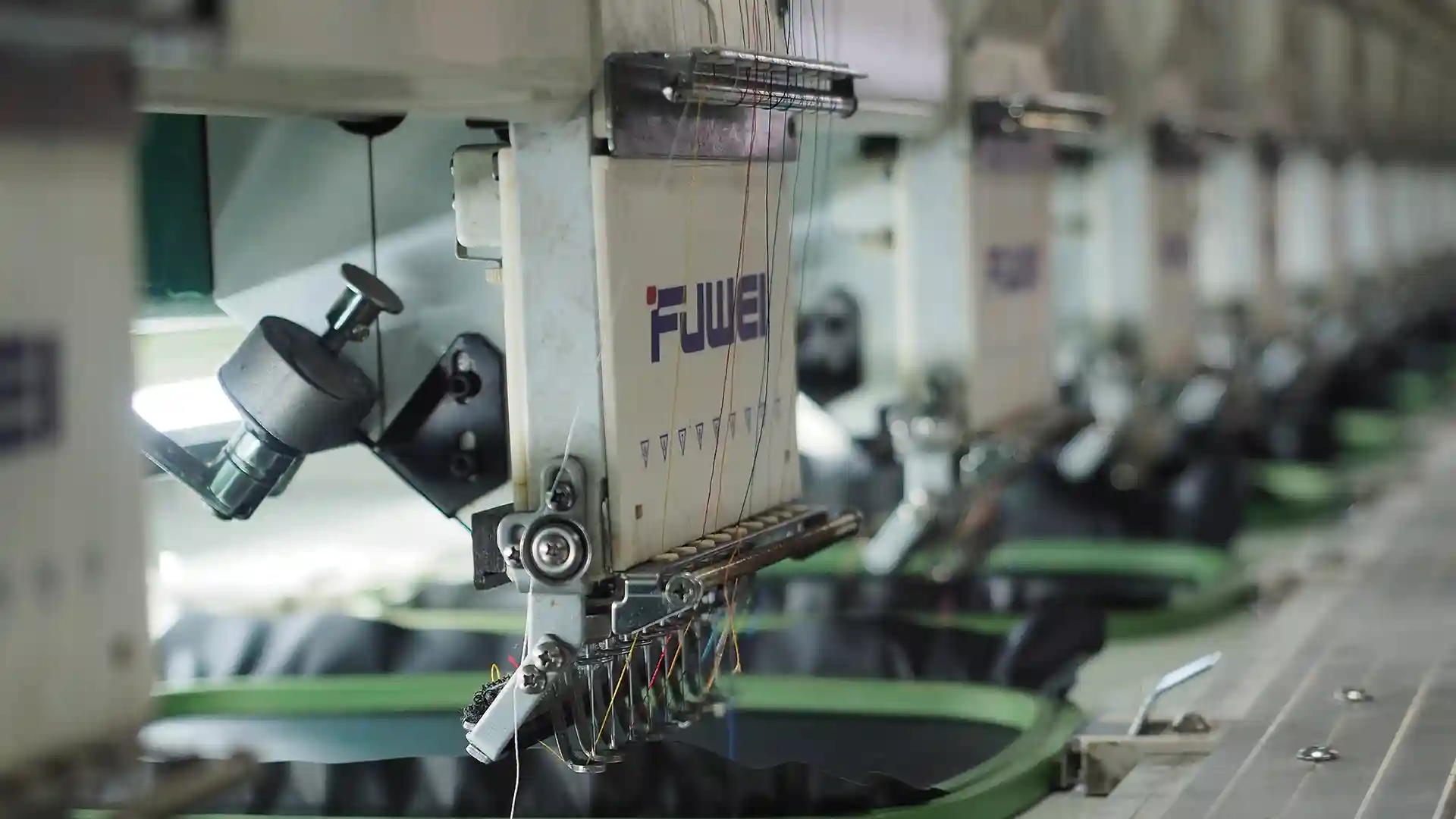
However, in recent years there has been a considerable increase in equipment incorporating power electronics, such as three-phase variable speed drives, uninterruptible power supplies (UPS), electric vehicle charging points and photovoltaic inverters. If this type of power electronics load has an insulation fault, it may cause DC leakage current.

This is where the main difference between the two devices lies: Type B residual current devices are designed to detect leakage not only in AC and pulsating DC, but also in smooth DC residual currents. They can also detect leakage in AC currents at frequencies of up to 1 Hz.
When smooth DC reaches certain levels, it can magnetically saturate the toroidal transformer in a Type A residual current device and compromise its ability to detect other leakage currents, including AC leakage. This is known as blinding. As a result, the device may fail to operate correctly in the event of a subsequent fault, putting the installation's safety at risk.
It is important to note that not all installations need a Type B residual current device. The choice will depend on the characteristics of the connected loads, the power electronics they incorporate and the equipment manufacturer's instructions. In some applications, a Type A residual current device may be sufficient, while in others a Type B device will be needed to ensure adequate protection.


WRITTEN BY CIRCUTOR
Vial Sant Jordi s/n – 08232
Viladecavalls, Barcelona (Spain)
+34 93 745 29 00
Contact
After-Sales and Technical Assistance
+34 93 745 29 19
Send enquiry

© 2026 CIRCUTOR.COM | All rights reserved.