TYPES OF RESIDUAL CURRENT PROTECTION

Choose the most suitable protection based on the type of loads in your installation

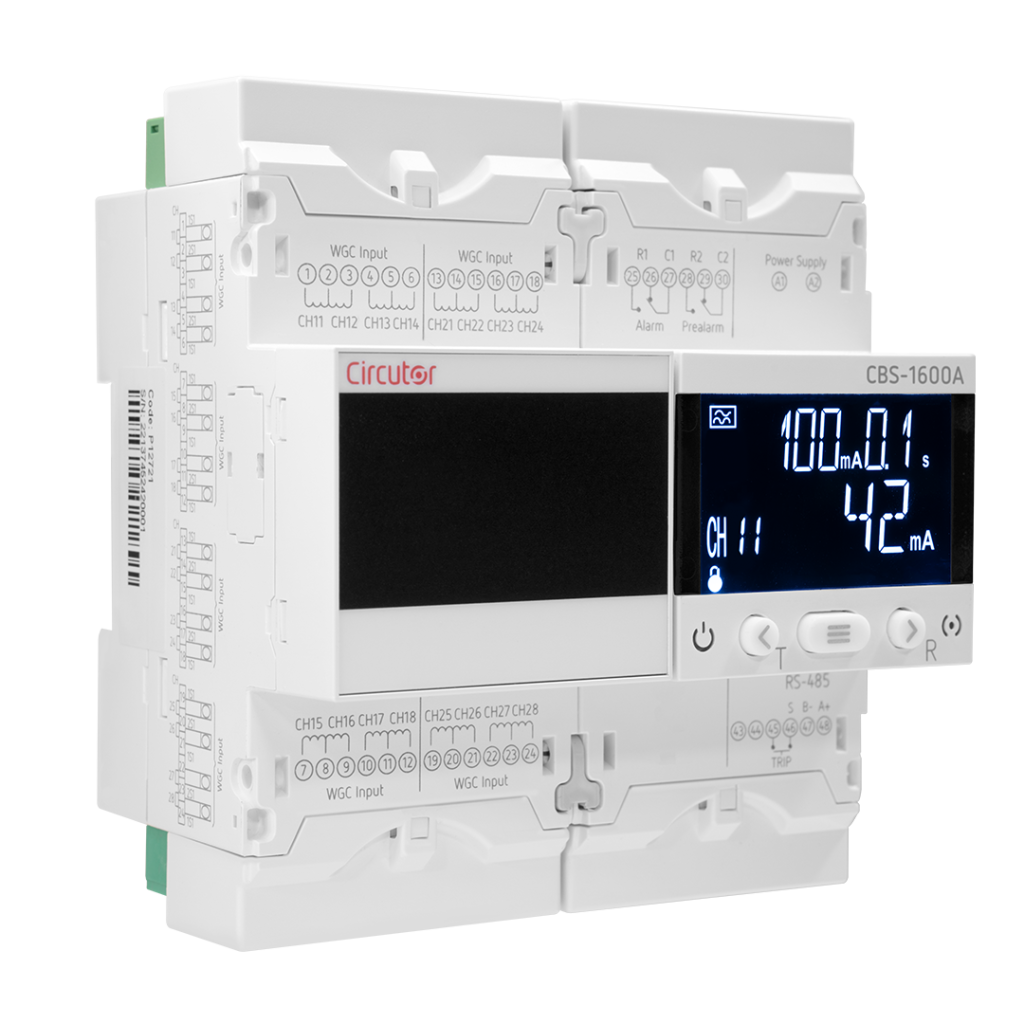
The appropriate selection of residual current protection elements contributes to operational efficiency, allowing a fast response time to failures and reducing downtime. Residual current protection is not only a vital component for safety, but also for the efficiency and reliability of electrical installations.

Residual current protection

Effective and reliable protection for electrical installations, guaranteeing people's safety and service continuity.

Residual current protection is essential to guaranteeing safety and service continuity in electrical installations. It enables the detection of earth leakage, protecting people and equipment as well as preventing risks and damage. In industrial and tertiary environments, a correct selection according to the installed loads prevents unexpected tripping that generates production downtime and economic losses. In addition, an effective response to failures minimises supply interruptions.

Residual current protection with reclosing system

Safe and automatic protection that detects failures and restores service, ensuring continuity and the safety of installations.

Residual current protection with self-reclosing, together with the circuit breaker, is crucial to ensuring safety and service continuity in electrical installations. It detects earth leakage and reacts to overloads or short circuits, protecting people and equipment. An appropriate selection according to the loads prevents unexpected tripping and allows reclosing after transient failures, reducing downtime and economic losses. This integrated system improves availability, maintains productivity and ensures the power quality in industrial, tertiary and telecommunications environments.

Residual current protection with reclosing system for EV

Specific protection for charging that detects AC and DC leakage, ensuring safety and the correct functioning of the system.

Residual current protection for electric vehicle charging points is essential to guaranteeing safety and service continuity. It detects leakage currents, including this equipment's continuous current components, protecting people and the installation. An appropriate selection according to the type of charger prevents unexpected tripping that interrupts charging and leads to dissatisfaction or economic losses. Its proper response to failures minimises risks and maintains service availability. When properly integrated, it guarantees efficiency, reliability and quality in residential and tertiary environments and electric mobility infrastructure.